
Wordle vs other word games
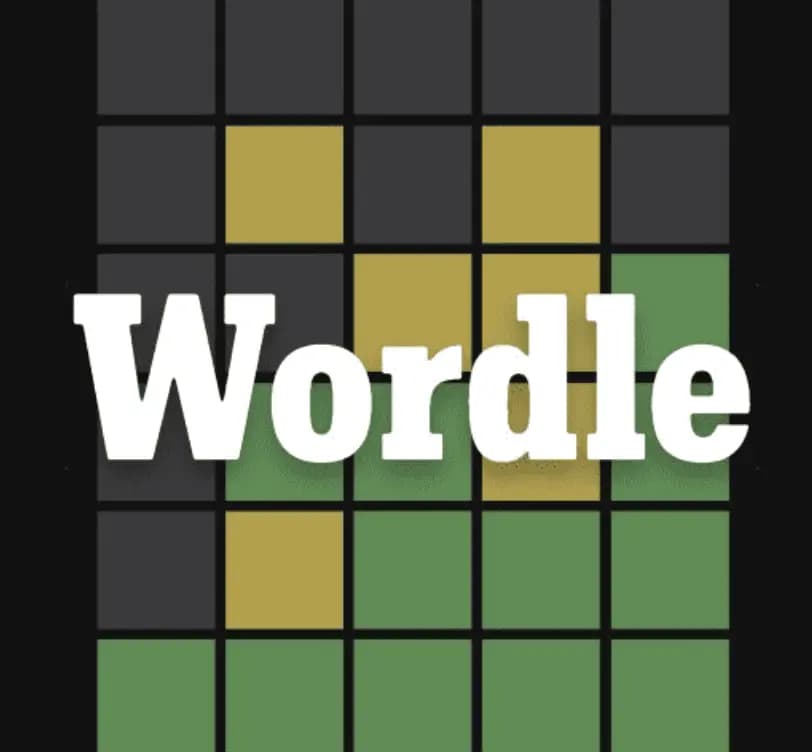
Wordle vs other word games is a natural comparison for anyone who's beaten today's puzzle and wants to know what else is out there. Wordle took the internet by storm in 2022 with its simple formula: one five-letter word, six guesses, and color-coded feedback that shows which letters are correct and where they sit. But it's far from the only word puzzle worth playing. This guide breaks down what sets Wordle apart and when you might want something different.
Wordle's core appeal
Wordle wins on simplicity. You get one five-letter word, six guesses, and color-coded feedback: green for correct letters in the right spot, yellow for correct letters in the wrong spot, and gray for letters that don't appear at all. The daily reset means everyone worldwide tackles the same puzzle each day, which is why Wordle's share results (the grid of emoji) became such a cultural phenomenon.
The constraints are intentional. One puzzle per day discourages grind; the five-letter word is narrow enough to feel achievable but wide enough to avoid random guessing. No timers, no ads in the original, no power-ups. This restraint is what separates Wordle from games that tried to capitalize on its success by adding chaos.
Wordle vs Quordle
Quordle stacks four Wordles on a single board. You submit one guess, and it applies to all four puzzles simultaneously. You have nine tries to solve all four, compared to Wordle's six tries for one.
The math is brutal: Quordle demands you find words that move you closer to four different solutions at once. It's not four times harder; it's exponentially harder. If you want an intense word puzzle and have time to burn, Quordle delivers. But if Wordle is already your evening ritual, Quordle is a weekend challenge, not a daily habit.
On Dubdoo, you can play Wordle free without downloading anything, the same way Quordle works online. Neither game requires installation.
Wordle vs Spelling Bee and Semantle
The New York Times also runs Spelling Bee, which gives you seven letters and asks you to make as many words as possible. The core skill is vocabulary breadth, not deduction. You're not guessing one hidden word; you're finding all the words you can. It rewards knowledge over strategy.
Semantle is stranger. Instead of matching letters, you guess words related to a hidden word by meaning. If the hidden word is "forest," you might guess "tree" and get close. This swaps pattern recognition for linguistic intuition. Players either love its unique angle or find it frustrating.
Wordle lands between these two: it requires some vocabulary but leans heavily on strategy and logic. Each guess teaches you something concrete about which letters are in the word and where they sit.
Wordle vs Heardle and music puzzles
Heardle applies Wordle's format to music: you hear a clip of a song and guess the title. You get six tries, and each wrong guess reveals a longer snippet. If you know music, Heardle is as satisfying as Wordle is for words. If you don't, it's opaque and frustrating in ways Wordle rarely is.
This matters because Wordle's power comes from being culturally legible. Almost everyone knows five-letter words. Not everyone knows the same songs or artists.
Wordle vs Waffle and grid-based variants
Waffle is a five-by-five grid where you fill in letter guesses and solve five separate five-letter words at once (one across the top, one down the left, etc.). You get 15 tries instead of six, but the puzzle is more visual and interconnected.
Waffle is harder to learn than Wordle but rewarding once it clicks. It's also more forgiving: if you're stuck on one word, you can solve others and come back. Wordle gives you all six tries to crack one puzzle, no backup plan.
Why Wordle remains the default
Wordle works because it does one thing exceptionally well. It's not trying to be everything: no difficulty modes, no cosmetics, no endless play. One word, six tries, shared globally, once per day. This constraint is its strength.
When you play Wordle on Dubdoo, you're getting the full, uncluttered experience. No ads interrupting your game, no pressure to play multiple times. It's the kind of game that rewards a few minutes of focused thinking, then gets out of your way.
When to pick an alternative
If you want unlimited daily puzzles, try Quordle or explore variants like Waffle or Worldle (which guesses countries instead of words). If you like music, Heardle scratches a different itch. If you want pure vocabulary, Spelling Bee will test you. But if you want the experience that made word puzzles cool again, Wordle is the answer.
The comparison often misses the point: Wordle isn't trying to be the "best" word game. It's trying to be the simplest one that doesn't feel like a compromise. Most alternatives are better at something specific: Quordle at intensity, Waffle at spatial reasoning, Heardle at cultural knowledge. Wordle is better at being approachable without feeling easy, challenging without demanding hours.
FAQ
Is Wordle harder than other word games?
Wordle's difficulty depends on your vocabulary, but it's generally considered moderate. It gives you six attempts and color-coded hints, which many find more generous than games like Quordle (which stacks four Wordles simultaneously) or Semantle (which relies on word meaning rather than letter position).
What's the main difference between Wordle and Quordle?
Quordle requires you to solve four Wordle puzzles at once, using the same guesses across all four boards. Wordle focuses on a single five-letter word per day, making it less intense but still challenging.
Can I play Wordle unlimited times on Dubdoo?
Wordle on Dubdoo follows the classic format: one puzzle per day. This daily reset keeps the challenge fresh and lets you compare results with other players who solve the same word each day.