
Run 1 Mile a Day: Master the Game's Endless Challenge
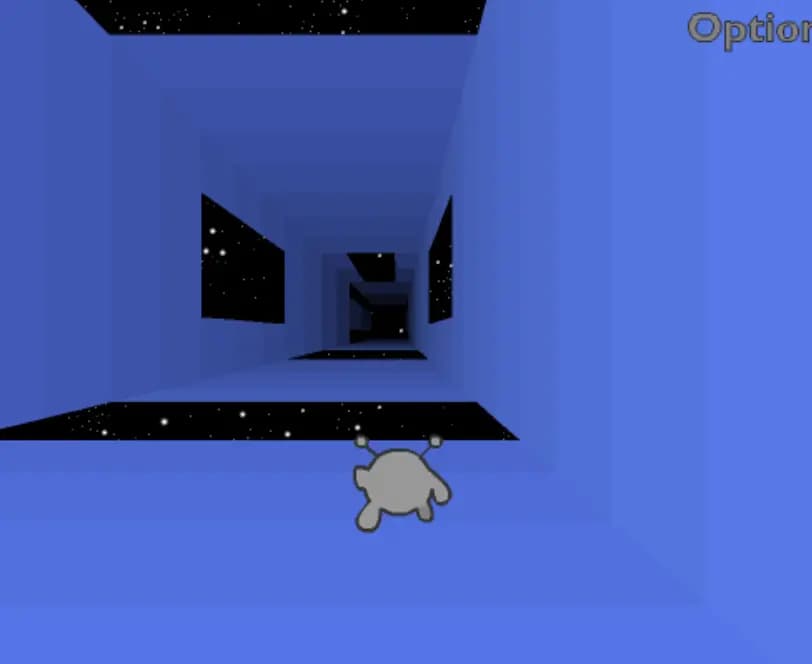
Running a mile a day sounds exhausting, but in Run 1, the platformer on Dubdoo, it's a daily habit worth keeping. The game turns the concept of consistent, daily challenge into bite-sized levels that reward both precision and persistence. If you're building a routine to master Run 1, you'll want a strategy that fits into your day while still pushing your skills forward.
Why a daily Run 1 habit works
Run 1 is designed for short bursts of focused play. Each level takes between 30 seconds and two minutes, which means you can complete several levels in 10 to 15 minutes. Unlike games that punish breaks between sessions, Run 1 builds on muscle memory. Jump timing, wall-rotation speed, and obstacle spacing become instinctive after repeated exposure.
The platformer's difficulty curve also supports a daily schedule. Early levels let you learn the basic jump and movement controls without pressure. Mid-game levels introduce the signature wall-rotation mechanic, where you jump on a wall to rotate the entire level 90 degrees. Later levels combine rotations with tight timing windows. Playing daily keeps these skills fresh and prevents the frustration of having to relearn mechanics after a week off.
Master the core jumping mechanic
Run 1 has one essential control: jump. Click, tap, or press Space to jump. The longer you hold the button, the higher you jump. Arrow keys move you left and right. This simplicity is deceptive; execution is everything.
In your daily practice, focus on variable jump height. Some obstacles require a small hop to clear; others need a full, arcing leap. Spend your first few minutes each day warming up on early levels, testing how hold duration affects your trajectory. This muscle memory transfers directly to harder stages.
The timing window for jumping over obstacles is tight. Most platforms appear, then disappear quickly. Plan your run before you start moving: identify which platforms you need to land on, which you can skip, and where your jumps need to start. This isn't reflex-heavy gameplay; it rewards deliberation.
Understand wall rotations
The wall-jump mechanic is Run 1's defining feature. When you jump onto a wall, the entire level rotates 90 degrees around you. What was above is now to the side. What was a wall is now a floor. Later levels stack rotations, forcing you to rotate twice or three times in quick succession to navigate a single section.
To master rotations in a daily session, isolate them. Jump to a wall, let the level rotate, and pause mentally before your next action. Watch how platforms redistribute. Plan your next jump to land safely on a newly rotated surface. In advanced levels, this becomes automatic, but the foundation is pattern recognition, not speed.
Build a daily routine that sticks
Start each session by replaying a level you've already beaten. This gets your hands warm and your timing calibrated. Spend 5 to 10 minutes on a new level or your current wall. Stop when you either beat it or feel your focus slipping. Quit while you still want to play again tomorrow.
Avoid the temptation to grind a single level for 30 minutes straight. Frustration breaks the daily habit. If you hit a wall after 10 minutes, move on. Come back to it tomorrow with fresh eyes. A level that felt impossible yesterday becomes clear after a night's rest.
Collect coins and power-ups strategically
As you progress through Run 1, coins and power-ups appear on your path. Coins are usually safe to grab while moving naturally; don't reroute your jumps to chase them. Power-ups offer temporary shields or speed boosts. In daily play, collect power-ups in levels where you're struggling, but prioritize the exit in later stages where time pressure is high.
Some players treat collection as a secondary goal, useful for learning level layout. Others make it a challenge: can you beat a level and collect 100% of the coins? Both approaches work for daily practice.
Related platformers to round out your routine
If you want to switch between similar games, Play Level Devil free on Dubdoo, a platformer that inverts the usual formula by letting you build the level your opponent must navigate. For a geometry-focused challenge, Geometry Dash offers rhythm-based platforming. Both are available in the same Arcade Games category as Run 1 on Dubdoo, meaning you can hop between them without leaving the site.
Alternatively, OvO is another precision platformer that rewards daily play, with similar jump-based progression.
Staying consistent through difficulty spikes
Run 1 has points where the difficulty jumps sharply. You'll beat 10 levels smoothly, then hit a level that requires five perfect rotations in a row. This is normal. Your daily habit is strongest when you accept that some days involve slow progress.
If a level feels genuinely impossible after multiple attempts across several days, watch a speedrun or solution video. Understanding the intended path removes the frustration and often reveals a technique you've been missing. Then practice that technique in earlier levels before attempting the hard stage again.
FAQ
What's the best way to practice Run 1 daily?
Set aside 10 to 15 minutes each day to play. Focus on one or two difficult levels rather than rushing through. This builds muscle memory for precise jumps and wall rotations, making progression faster than sporadic, longer sessions.
How do I master the wall-jump rotation mechanic in Run 1?
Jump onto a wall to rotate the level 90 degrees. Time your next jump to land on a newly rotated platform. Practice in early levels where the pace is slower, then apply the technique to later stages where rotations happen rapidly.
Are there power-ups that help in Run 1?
Yes. Collect coins and power-ups during your run. These give you temporary boosts or shields. Don't ignore them, but prioritize reaching the level exit over collecting everything; some runs are won by speed and timing alone.