
Push Your Luck Board Games: Risk and Reward Strategy
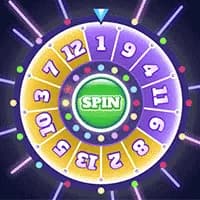
Push-your-luck board games and their digital equivalents put you in constant conflict with yourself: keep going and risk catastrophe, or stop and settle for what you have. The genre's power comes from that simple, brutal choice. Every round forces you to weigh greed against safety, and a single bad decision can erase your entire streak. This balance between danger and reward is what separates push-your-luck games from other dice or arcade games.
The best push-your-luck board games isolate this tension down to its purest form. You roll. You see the result. You decide. No hidden information, no complex rule chains, just you and the mathematics of risk. The game shows you the odds; your job is to respect them or ignore them and live with the consequences.
How push-your-luck mechanics work
The core loop is always the same: roll, advance, decide. Each successful roll adds points or currency to your current round's total. That total climbs higher, making the potential payout more tempting. But the cost of failure rises too. On most rolls, you'll succeed. On some, you'll bust, and your entire current stake vanishes.
This asymmetry is the entire game. Winning feels good because you earned it through a succession of correct decisions. Losing stings worse than it should because you chose to stay. That emotional weight makes you replay the round immediately, convinced you'll play smarter next time.
Push Your Luck on Dubdoo captures this dynamic perfectly. You roll, watch the outcome, then decide whether your luck holds or cuts out. The interface gives you the control: how many times you press your luck is entirely yours. Multiple rounds mean you can chase losses or preserve leads, and that freedom is what creates the psychological tension the genre is designed for.
Why the decision matters more than the roll
A true push-your-luck game is not about random number generation. It's about decision-making under pressure. The rolls are transparent; everyone can see the odds. What separates skilled play from novice play is discipline.
Beginners tend to rationalize: "I've rolled seven times without busting, so the odds must shift in my favor now." That's not how probability works. Each roll is independent. The correct play depends on your current total and what you need to win, not on how long your streak has lasted.
Expert players cash out at a specific threshold. They calculate: "If I stop now, I have X points. If I keep rolling and bust, I get nothing. So I should cash out if my probability of busting in the next roll exceeds my need for more points." This is the only rational strategy, and it's boring compared to the thrill of one more roll.
That tension is what makes the genre addictive. You know the right move. You do it anyway.
Dice games that capture the same energy
The dice category on Dubdoo includes other games built around similar high-stakes moments. Any game where you're rolling for an outcome and deciding when to stop shares push-your-luck DNA. These games reward players who can separate emotional impulse from mathematical reality.
Dice games on Dubdoo follow the same pattern. Success comes from reading the stakes, not from lucky rolls. The games that feel most thrilling are the ones where one bad decision can reset hours of progress. That weight is the feature, not a bug.
Strategy: knowing when to stop
The hardest part of playing push-your-luck games well is implementing a simple rule and obeying it. Pick a threshold before you start: "I will cash out if I reach 50 points" or "I will stop after three consecutive successes." Write it down if you have to. Stick to it.
Most players fail this test immediately. A threshold of 50 feels reachable when you're at 45. One more roll seems smart. Then you're at 55 and thinking the same thing. The next roll busts you, and you're back at zero, angry at yourself for breaking your own rule.
The math does not care about your mood. If your rule is "stop at 50" and stopping at 50 breaks even or wins against the alternative (risking the next roll), then every roll past 50 is a mistake. Your job is to execute the plan, not to feel good about it.
Push Your Luck forces this test repeatedly. You'll face hundreds of small decisions in short sessions. That rapid feedback makes it obvious which players are thinking and which are just chasing the rush.
Quick rounds, lasting lessons
What makes push-your-luck games valuable is also what makes them dangerous for your time: you can play one round in 30 seconds. That means you can learn your lesson and immediately apply it, or you can chase losses for an hour without realizing it.
Set a timer if you need to. One round of Push Your Luck on Dubdoo teaches you more about risk assessment than a thousand words on strategy. Experience the outcome of your decisions. Feel the sting of one extra roll. Notice the relief of cashing out and actually winning something.
The genre is simple enough that anyone can play it, but deep enough that nobody masters it completely. That balance is why push-your-luck games have survived decades and spawned countless variants. The core mechanic works.
FAQ
What makes push-your-luck games exciting?
Push-your-luck games create tension through escalating stakes. Each move increases your potential reward but also your risk of losing everything. The constant decision point between cashing out safely or gambling for more keeps you engaged across every single round.
How do you win at push-your-luck games?
Success depends on reading the odds and knowing when to stop. The best players recognize when one more roll is likely to bust them, and they cash out before that happens. Discipline beats greed every time.
Can you play push-your-luck games online?
Yes. Push Your Luck on Dubdoo lets you experience the core tension of the genre without downloads. You roll, decide, and face the consequences in seconds, making it perfect for quick sessions at school or home.