
PaRappa the Rapper PS1: Rhythm Game Classic
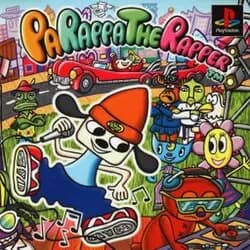
PaRappa the Rapper is a rhythm game where you rap along to characters by pressing buttons in sync with the music. Originally released for the PS1, this classic rhythm title has players matching button prompts to lyrics and beats across multiple stages, each telling part of Parappa's story as he works to impress his friends and build confidence. The gameplay centers on timing, pattern recognition, and staying on beat through increasingly challenging rap sequences.
The core gameplay loop
PaRappa the Rapper strips rhythm gaming down to its essentials. You see button prompts appear on screen in time with the rap lyrics. Press the correct button at the right moment, and Parappa stays on beat. Miss or hit late, and the crowd boos. The game doesn't punish a single mistake harshly, but string together bad inputs and you'll fail the stage.
Each stage introduces a new character and a new rap battle. You might be rapping about obtaining a driver's license, impressing a girl on a date, or confronting a teacher about homework. The scenarios stay light and fun, never taking themselves seriously. The songs are genuinely catchy, which helps them stick with you after the controller is down.
Button sequences repeat throughout each song, so memorization matters. The first time you hear a phrase, you're learning the pattern. The second time, you're practicing it. By the third or fourth repetition, your fingers should be ahead of your ears. This structure makes PaRappa the Rapper feel less like reaction-time reflex gaming and more like learning choreography.
What makes the difficulty curve work
The early stages are forgiving. Your first few raps introduce the mechanic gently, letting you adjust to the rhythm and build confidence. Later stages pile on complexity. Prompts come faster, sequences get longer, and the rhythms shift unexpectedly. But the game never feels unfair because each stage trains you specifically for what comes next.
Parappa himself is a character with a catchphrase: "I gotta believe." When you're about to fail, the game offers one last chance to recover by hitting a final button prompt correctly. This mercy mechanic keeps frustration in check. You won't throw the controller, but you will feel pressure to execute when it matters.
The character variety keeps gameplay fresh. Play PaRappa the Rapper free on Dubdoo to experience each unique rap opponent. A chef teaches you about cooking, a lammy teaches driving lessons, and Sunny raps about romance. The personalities and dialogue add character to what could otherwise be repetitive button-pressing.
Why the art style still holds up
PaRappa's visuals are cartoonish and deliberately flat. Characters have simple geometric shapes and bright colors. This aesthetic choice makes the game feel timeless rather than dated. A PS1 rhythm game with 3D-modeled characters performing motion-captured rap would look worse today. The comic-style presentation ages much better.
The quirky character designs are instantly memorable. Parappa himself is a confident, optimistic dog. His friends include a girl named PJ (who he crushes on), a chef, and various other odd personalities. None of it makes literal sense, but that's the point. The tone is playful and absurd in the best way.
Playing PaRappa the Rapper on Dubdoo
You don't need a PS1, an emulator, or a download to play PaRappa the Rapper today. Dubdoo hosts the game free in your browser, so you can start rapping immediately from any device with internet. The rhythm gameplay works just as well with keyboard controls as it did on PS1 controllers.
If you enjoy PaRappa the Rapper, Dubdoo also has rhythm games in a similar vein. Games like Friday Night Funkin' and Friday Night Dustin carry on the tradition of character-based rhythm challenges with personality and catchy soundtracks. Each brings its own style and difficulty curve.
Understanding what made PaRappa a classic
The game arrived at a moment when rhythm games were still novel. Guitar Hero and Dance Dance Revolution had introduced the genre to mainstream audiences, but PaRappa the Rapper predates both and approached rhythm gaming from a completely different angle. Rather than simulating instruments or dance moves, it put you inside a story.
The songs are genuinely good. They're written by Japanese composer Matsuura Masaya and performed by voice actors who commit fully to the bit. The lyrics are silly and memorable in equal measure. You'll find yourself humming the driver's license song weeks after playing.
The progression feels earned. By the final stage, you've built real skill at reading patterns, anticipating rhythm shifts, and maintaining focus under pressure. The difficulty escalation teaches you everything you need to succeed, then puts your complete toolkit to the test in rapid succession.
FAQ
What do I need to play PaRappa the Rapper?
You only need a web browser and internet connection. PaRappa the Rapper is available free on Dubdoo with no downloads, installations, or emulators required.
How long does a playthrough take?
A single run through all stages takes roughly 30 to 45 minutes depending on how many times you fail and retry. The game is designed for quick sessions, making it ideal for playing during breaks or study halls.
Can I replay stages after beating them?
Yes. You can jump back into any stage you've unlocked to improve your score or practice specific rap sequences. The replay value comes from chasing better performance, not from story progression.
Is PaRappa the Rapper in the rhythm game category on Dubdoo?
Yes. PaRappa the Rapper is listed in the Rhythm category alongside other music-based games and rhythm challenges on Dubdoo's game library.