
Fallout: New California Explained
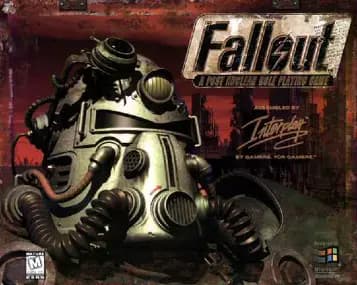
Fallout: New California is a post-apocalyptic RPG set in a radioactive wasteland shaped by nuclear war and retro-futuristic technology. As a Vault Dweller, you leave your underground shelter to secure vital resources for your people. The journey forces you to navigate factions, mutants, and moral dilemmas that reshape the story. The game blends exploration, turn-based combat, and dark humor into one of gaming's most influential role-playing experiences.
Story and setting
Fallout takes place 150 years after a nuclear war devastated the world. You emerge from your vault as a Vault Dweller tasked with finding a water chip to save your underground community. What begins as a simple supply mission turns into a journey across a hostile wasteland filled with warring factions, from the militaristic Brotherhood of Steel to the New California Republic seeking to rebuild civilization.
Your choices matter. You can ally with different factions, ignore major quests, or pursue peaceful or violent solutions to problems. Kill a faction leader and lose access to their quests and rewards. Help a settlement and gain allies. The story branches based on who you trust and what you value.
Turn-based combat and mechanics
Fallout's combat system uses Action Points (AP) during turn-based encounters. You select an action: fire your weapon, use an item, or move. Each action costs AP, and your character's pool resets each turn. You have time to think through your strategy instead of reacting in real-time.
Your character's skills determine success. Guns, Energy Weapons, Melee Weapons, and Unarmed skills affect your accuracy and damage. Speech affects dialogue outcomes. Stealth lets you avoid fights or execute sneak attacks. Repair, Medicine, and Science skills open locked containers and access computer terminals. You assign skill points as you level up, shaping a Vault Dweller that matches your playstyle.
Weapons range from leather armor and baseball bats to laser rifles and plasma weapons. Armor pieces cover different body parts: head armor protects your brain and eyes, torso armor stops bullets, and leg armor keeps you mobile. You wear a full outfit and swap pieces as you find better gear.
Exploration and the wasteland
The Fallout wasteland spans a world map with multiple locations: ruins of old cities, military bases, tribal settlements, and faction strongholds. Each location holds NPCs, quests, enemies, and loot. Some areas are radioactive and damage your health if you linger without protection.
Side quests are as engaging as the main story. A town elder asks you to clear out radroaches. A warrior wants you to retrieve a sacred relic from a vault. A merchant hires you to eliminate bandits. These quests reward experience, money, and gear, and many tie into faction politics and main plot threads.
Factions and endings
Three major factions shape the wasteland: the New California Republic wants democracy, the Brotherhood of Steel seeks to control advanced technology, and the Master commands an army of mutants. Your actions determine which faction gains power. Helping the Brotherhood might mean betraying the Republic. Siding with the Master brings the apocalypse closer.
The game has multiple endings based on your faction choice and key decisions. A faction-specific ending plays out in a slideshow with narrator commentary, describing how your choices changed the world.
Why Fallout endures
Fallout's writing gives NPCs personality and moral weight. A character selling water at inflated prices survived the wasteland by any means necessary. A mutant soldier believes they are creating a better world. The game lets you disagree or find common ground.
The retro-futuristic aesthetic sets Fallout apart. 1950s Americana meets nuclear ruin. Vaults feature neon colors and chrome, while the wasteland sprawls in browns and grays. Radios play period music. This visual and audio identity makes the world feel lived-in and distinct from generic post-apocalyptic settings.
Fallout on Dubdoo places this classic RPG in the best browser games category alongside other story-driven titles like Deltarune, which also prioritizes player choice and atmospheric exploration. If you enjoy Fallout's branching narrative and character-driven adventure, you might also explore Pokemon Emerald for its world-building or EarthBound for its retro RPG charm and dark humor.
FAQ
What skills should I prioritize?
Guns and Speech are strong early picks. Guns lets you handle combat efficiently. Speech opens dialogue options that avoid fights and unlock unique quest solutions. Medicine helps in tough encounters when you need healing items.
Can I kill everyone?
Technically yes, but you will lock yourself out of quests and storylines. The game tracks faction reputation. Kill members of a faction and your standing drops. Once it is low enough, they become hostile and you cannot interact with their quests or vendors.
How long is Fallout?
A first playthrough takes 20 to 30 hours if you follow the main story and some side quests. Exploring every location, doing all optional quests, and reading computer terminal entries adds many more hours.
Does Fallout require a download on Dubdoo?
No. Fallout is playable free on Dubdoo directly in your browser with no download or installation required.