
EarthBound meaning: what the game's story really represents
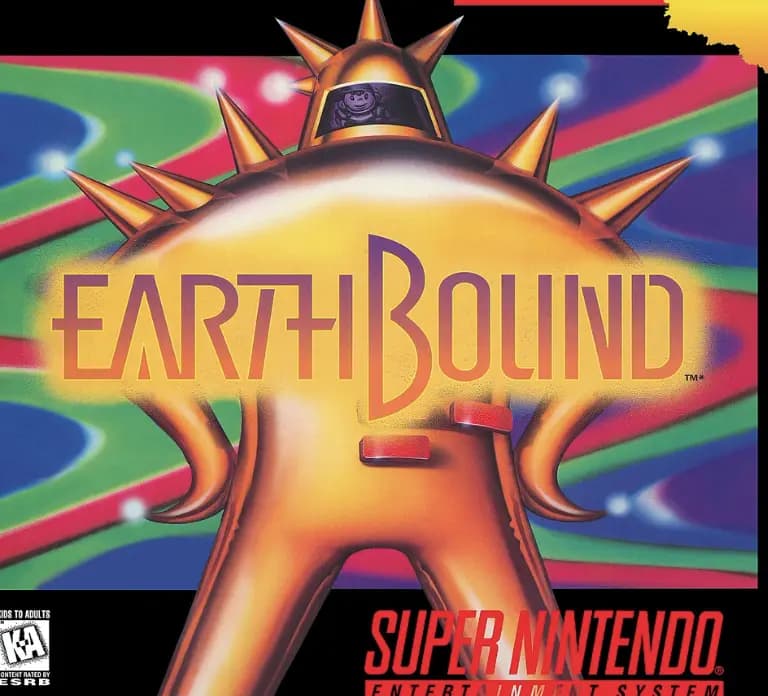
EarthBound's meaning extends far beyond a straightforward alien-invasion narrative. The game is fundamentally about childhood, growth, and the strange moment when young people realize the world is bigger and stranger than they imagined. Ness and his friends are ordinary kids thrust into extraordinary circumstances, and their journey mirrors the universal experience of losing innocence while discovering inner strength.
Growing up in the suburbs of Eagleland
The setting itself carries meaning. EarthBound unfolds in small American towns, shopping malls, and diners rather than castles and dungeons. This deliberate choice grounds the story in the mundane world most players inhabit. When Ness is first awakened by a mysterious call and finds his neighborhood under attack, the contrast is stark: normal life interrupted by cosmic forces.
The game uses this contrast to explore what it means to grow up. Early in the adventure, Ness is a kid sleeping in his own bed. By the story's end, he has traveled across the continent, made irreversible choices, and faced truths that cannot be unknown. The suburbs become a metaphor for childhood itself, a space of comfort that eventually feels too small.
The alien invasion as existential crisis
Giygas, the alien threat, operates on a different symbolic level than typical RPG villains. The creature is not motivated by ambition, greed, or conquest in ways the player can understand. Giygas simply is, a force of cosmic wrongness that defies rational explanation. This makes it an apt representation of existential dread, the kind of formless anxiety that grows as children mature and realize the universe is indifferent to their safety.
The game refuses to let combat alone solve the problem. Turn-based battles work against other enemies, but Giygas cannot be defeated with swords or PSI attacks. The final confrontation demands something different: acceptance and emotional release. This narrative choice signals that some problems in life cannot be solved through conventional means. Real growth requires vulnerability.
Why friendship matters more than power
Throughout the journey, the core mechanic revolves around party management. Ness cannot succeed alone. He needs Paula's PSI abilities, Jeff's technology, and Poo's spiritual strength. The game constantly reinforces that collective effort and trust between friends is the foundation of their power.
This reflects real adolescence. Teenagers do not typically overcome major challenges through individual achievement; they lean on friends, develop new relationships, and discover that interdependence is not weakness. Play EarthBound free on Dubdoo to experience how the game weaves this theme into every battle and story moment.
Modern setting, timeless resonance
EarthBound's decision to place the adventure in the United States of the 1990s, complete with pizza chains, arcades, and school buses, creates a peculiar timelessness. The game is not anchored to a specific year in a way that dates it. Instead, the modern setting becomes universal because so many players recognize themselves in it. The road trips, the small towns, the homesick moments all feel immediate and personal.
This proximity to ordinary life is why the strange and surreal moments hit harder. When Ness encounters disturbing enemies or discovers a town full of cultists, the horror feels more genuine because it emerges from a world that resembles his own. Cosmic threats in your hometown feel inescapable in a way that fantasy threats never could.
The power of acceptance and forgiveness
The most controversial and deeply meaningful aspect of EarthBound is its ending. Rather than a triumphant battle, the resolution involves Ness reaching out to Giygas with compassion. The creature is broken, hurting, and only silence can stop it. This conclusion suggests that even cosmic evil stems from suffering and that forgiveness or acknowledgment might be more transformative than destruction.
For a game released in the early 1990s, this message was radical. Most RPGs sold victory through strength. EarthBound proposed that understanding and acceptance could be more powerful. The narrative does not shy away from the tragedy of it all: saving the world does not feel victorious because true growth always carries a cost.
Why EarthBound's meaning endures
The game's cultural significance rests on this foundation of genuine meaning beneath the humor and surrealism. EarthBound is funny, often absurd, and occasionally unsettling. But it is never hollow. Every joke, every strange encounter, and every bizarre boss fight serves the larger story about leaving childhood behind and discovering that ordinary people contain extraordinary resilience.
The game also influenced how later RPGs approached storytelling. Titles like Undertale and Deltarune owe a clear debt to EarthBound's willingness to subvert RPG conventions and use the medium to explore emotional truth. What EarthBound proved is that a video game set in modern times with a child protagonist could be just as meaningful and memorable as any epic fantasy.
Experiencing EarthBound's story remains the best way to understand what the game represents. The themes of growing up, the weight of responsibility, and the strange beauty of ordinary kids saving the world are woven so deeply into the gameplay and narrative that reading about them pales in comparison.
FAQ
What does EarthBound's story represent?
EarthBound uses alien invasion as a backdrop for a coming-of-age journey. The game explores themes of childhood innocence, growing responsibilities, and the reality that saving the world doesn't happen through fantasy heroics but through ordinary kids discovering their inner strength.
Why is EarthBound considered special?
EarthBound stands out by setting an RPG adventure in modern-day America rather than a fantasy setting. Its willingness to blend comedy, surreal horror, and genuine emotion creates a unique narrative experience that influenced countless games that followed.
What does Giygas represent in EarthBound?
Giygas, the alien antagonist, represents an unknowable, cosmic evil that cannot be defeated through traditional combat. The final battle suggests that acceptance, forgiveness, and emotional connection are more powerful than violence.
How does EarthBound compare to other RPGs?
EarthBound differs by grounding its story in modern suburban America and using humor alongside genuine emotional weight. Many RPGs that came after, including other quirky titles available on Dubdoo like DeltaRune, borrowed from EarthBound's approach of blending comedy with meaningful narrative.