
Block Blast AI: Master the Puzzle Grid
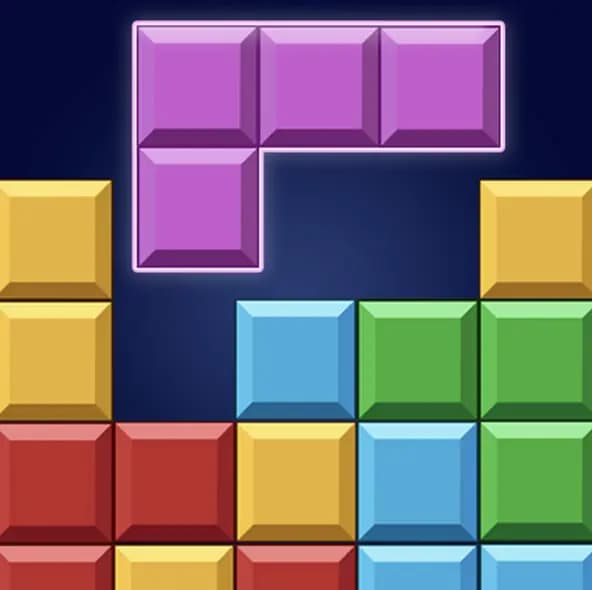
Block Blast AI challenges you to place shaped pieces onto a grid and clear lines by completing rows or columns. The core mechanic is simple: drag blocks, complete lines, score points. But as the grid fills up, you'll need to think several moves ahead to keep space open. Understanding how pieces flow and where to leave room makes the difference between clearing levels smoothly and hitting dead ends.
How the game works
Each round, Block Blast presents you with three upcoming pieces at the bottom of the screen. You can see what's coming, so you're never caught off guard. Drag any piece onto the grid anywhere it fits. When you complete a full row or column, those blocks clear away and you score points. The challenge is that pieces keep coming, and your grid only has so much space. Once it fills to the top, the game ends.
The grid doesn't change size, so efficiency matters. Early levels are forgiving. Mid-game levels squeeze you. Late levels force you to rotate pieces mentally and predict where gaps will form two or three moves out. Play Block Blast free on Dubdoo to learn at your own pace.
Plan before you place
This is where most players hit a wall. It's tempting to fill any gap quickly, but that's reactive play. Winning strategy is predictive. After you place a piece, ask yourself: what shapes do I have coming next? Where can those pieces actually fit? Do I have a safe landing zone?
Keep at least one or two columns completely empty if possible. These become your escape hatches. When a long piece arrives and you're running out of real estate, you can drop it vertically in an empty column instead of forcing it into a tight spot horizontally. This one habit prevents more dead-ends than any other single move.
Clearing lines efficiently
Completed rows or columns are your score multiplier and your breathing room. In cramped positions, prioritize finishing lines over spreading pieces thin. If you're two blocks away from completing a row, place your next piece to close that row, even if it leaves an awkward gap nearby. The grid space you free up is worth more than the point efficiency of that one placement.
Notice which rows or columns are close to completion as pieces land. Sometimes you can set up a cascade: finish one line, which pushes adjacent blocks into position for the next line. These aren't guaranteed, but recognizing the potential keeps you moving toward them instead of against them.
Managing the endgame
When the grid is nearly full, the game becomes about survival, not scoring. Every piece placement is a calculated trade-off. You're no longer thinking about optimal positions. You're thinking about the piece that's coming next and whether you physically have room for it.
At this stage, small mistakes compound. A piece placed one square too far left might block the landing zone for the next three pieces. Tight control matters. Take an extra second to verify placement before dropping. If you're hovering over a spot, that's your moment to reconsider.
Block Blast doesn't reward speed at the expense of accuracy. A slower, thoughtful player beats a fast one who doesn't plan. The pieces stay where you put them until they're cleared, so bad placement is permanent until that entire row or column fills and vanishes.
Why Block Blast stays challenging
The game sits in the same family as other Puzzle Games on Dubdoo, but Block Blast's variable piece shapes and grid-based movement add complexity that pure Tetris-style games don't always deliver. You can't rotate pieces; you can only place them as they come. That constraint forces you to build spatial reasoning faster.
If you enjoy this kind of forward-thinking puzzle design, Sandtris offers a sand-and-gravity twist on grid placement, and Spelly Snake combines word-building with spatial awareness. Both reward the same kind of planning mentality.
Common mistakes to avoid
Don't cluster all pieces to one side of the grid. It looks organized early, but it traps you later when a piece needs to land on the opposite side. Spread pieces across the available width to keep options open.
The three-piece queue at the bottom is your roadmap for the next moves. Every expert Block Blast player is already thinking about piece three while deciding where to place piece one.
Don't assume a gap will stay empty. In a full grid, any gap becomes a target. If you leave a single unfilled square, the game will eventually send a piece that fits it, and you won't like where it forces the adjacent blocks.
Patience over speed
Block Blast rewards patience and foresight over reflexes. The grid moves at a reasonable pace, giving you time to think. Use that time. Before each placement, glance at the next three pieces and ask yourself if you're building toward an endgame you can survive. The levels that seem impossible are usually just punishing impulsive play. Plan better, and they become routine.