
Backrooms vs Obsession: which horror game wins?
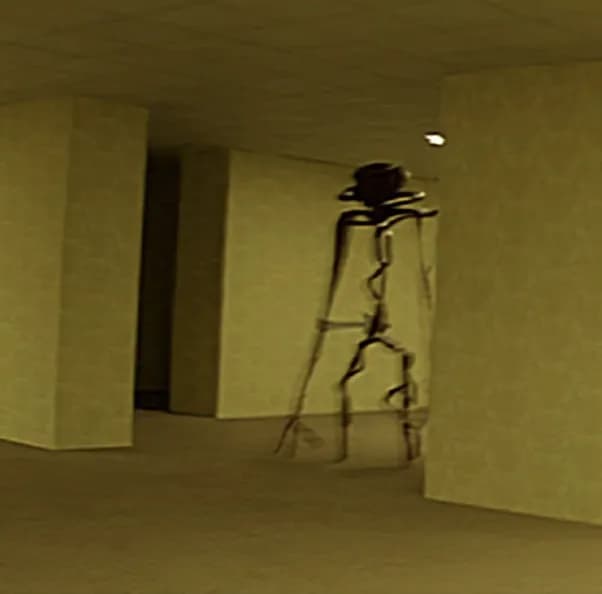
Backrooms vs Obsession presents two distinct flavors of horror. Backrooms drops you into infinite yellow hallways where the threat lurks unseen, while Obsession builds tension through active pursuit and confinement. The difference comes down to atmosphere versus immediate threat, and pacing versus panic.
Atmosphere and setting
Backrooms wraps you in pure dread through repetition and emptiness. You wander through endless, identical hallways painted that sickly yellow, with flickering fluorescent lights and the constant hum of machinery. There is no clear threat visible, but the wrongness of the space itself becomes the threat. The game trusts silence and sameness to unsettle you.
Obsession uses confinement differently. It places you in tighter spaces, often with a clear, active pursuer stalking you. The threat is tangible and immediate, not abstract. You know something is coming, and the game's pacing ensures you rarely forget it. Where Backrooms breeds existential dread through isolation, Obsession builds claustrophobic terror through the certainty of pursuit.
Threat design
In Backrooms, danger hides. You move through the halls aware that something might be watching, but unsure what or where. The game's horror relies on suggestion rather than sight. Your own imagination fills the gaps, making the threat feel larger and more unpredictable. This approach rewards patience and observation; quiet exploration can feel safer than rushing, but the game occasionally reminds you that safety is an illusion.
Obsession removes uncertainty about the presence of threat. Something is actively hunting. Your job is to evade, hide, or survive long enough to escape. The horror comes from the known danger and your limited options to counter it. Panic and quick decisions matter more than careful exploration. Obsession keeps pressure on throughout, while Backrooms lets tension breathe and build in waves.
Exploration versus survival
Backrooms is built for wandering. You move through procedurally shifting spaces, searching for exits while staying aware. The gameplay is methodical; you're collecting information, noticing details, and testing the rules of this strange place. Success comes from patience, attention, and avoiding obvious triggers. The game rewards you for learning its logic.
Obsession strips away leisurely exploration. You move with purpose: flee, hide, survive. Exploration happens as a side effect of evasion, not the goal itself. The game demands faster decision-making and reactive movement. You're not trying to understand the space; you're trying to outlast or outsmart what inhabits it. Obsession's pace is relentless.
Pacing and intensity
Backrooms can feel slow, and that's intentional. Long stretches of quiet walking are interrupted by unsettling moments, but the game doesn't bombard you with constant scares. The tension accumulates over time. Players who enjoy hypnotic gameplay appreciate this patient approach. The pacing is measured enough to let atmosphere do the heavy lifting, making each anomaly feel significant rather than routine.
Obsession is faster and more openly scary. Chase sequences, sudden encounters, and tighter time windows mean the game is always escalating. There's less room to relax. This works for players who prefer active horror over psychological unease, but it can exhaust you. If you like horror that gives you time to process and breathe, Obsession's intensity might feel relentless.
Which one should you play?
Choose Backrooms if you want to be unnerved rather than chased. It suits players who enjoy psychological horror, who like sitting with discomfort, and who want a game that trusts its atmosphere over jump scares. The slower pacing and invisible threat create a specific kind of dread that sticks with you after you stop playing. Play Backrooms free on Dubdoo if you're comfortable with ambiguity and the unsettling feeling of being watched without knowing by what.
Choose Obsession if you prefer tangible threats and active survival. You want the adrenaline of evasion, the clarity of knowing what you're running from, and faster decision-making. Obsession doesn't waste time building mood; it puts you in danger and trusts you to react.
Both are strong picks in the horror genre on Dubdoo. If you're torn, remember that Backrooms is the quieter nightmare, while Obsession is the one chasing you down the hall. Neither requires a download; both play free in your browser.
Explore similar experiences with Five Nights at Freddy's for tension through confined spaces, or Granny for pursuit-based scares. Browse more Horror Games on Dubdoo.
FAQ
Is Backrooms scarier than Obsession?
Scariness depends on what unsettles you. Backrooms is psychologically scarier if you fear the unknown and isolation. Obsession is scarier if you fear direct threat and pursuit. Backrooms builds dread slowly; Obsession creates immediate panic.
Can I play both games for free?
Yes. Both Backrooms and Obsession are playable free on Dubdoo in your browser. No download or payment required.
Which game has better controls?
Backrooms uses standard WASD or arrow key movement with mouse look, keeping the focus on exploration. Obsession's controls are similarly straightforward but designed for faster evasion. Neither has clunky controls, so this shouldn't be your deciding factor.
Are there other horror games like these?
Yes. If you enjoy psychological horror similar to Backrooms, try Five Nights at Freddy's for tension through confined spaces and threat awareness. For active evasion horror like Obsession, Granny offers pursuit-based scares in a tight environment. Check out more Horror Games on Dubdoo.