
99 Nights in the Forest sandbox
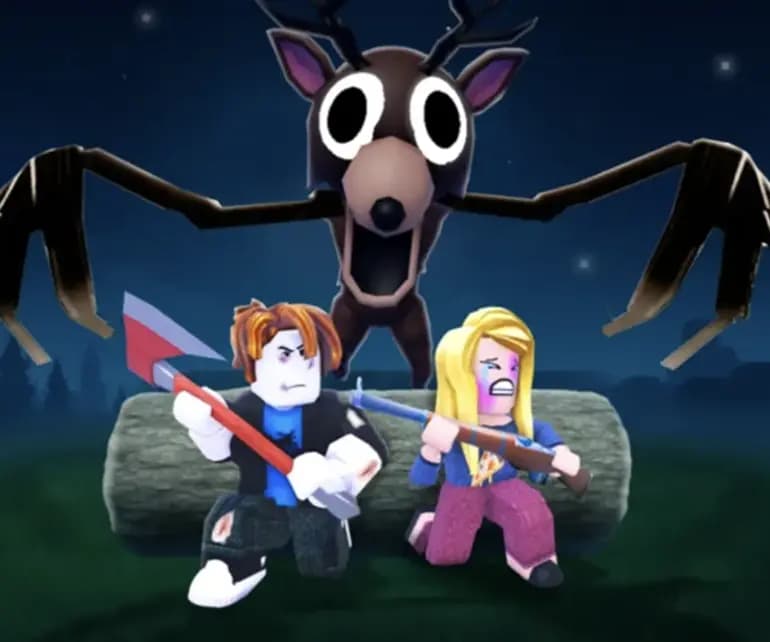
99 Nights in the Forest is a sandbox survival horror game where you build a camp, gather resources, and defend yourself through 99 escalating nights against supernatural threats. During daylight hours, you harvest wood and food, craft tools and weapons, and explore hostile biomes for valuable loot. When darkness falls, entities like The Deer and The Owl attack your base, alongside cultist invaders whose strength increases each night you survive. Working with teammates makes the later nights manageable, though solo runs are possible if you plan carefully.
How the sandbox works
The sandbox structure in 99 Nights in the Forest follows a strict day-night cycle. During the day, you move freely through the forest using WASD or arrow keys, interact with your campfire and building elements, and have unrestricted access to resources. At night, your freedom shrinks to your immediate camp area, and defending that space becomes your only goal.
Resource gathering is the foundation. Wood comes from trees scattered across biomes; food from foraging or hunting animals; stone from deposits on the ground. Early nights reward raw gathering, but as you progress, efficient collection matters more. Your team cannot protect an under-resourced camp, and retreating to rebuild mid-survival wastes precious time.
Building placement and upgrades define your survival odds. You construct walls, gates, spike traps, and watchtowers within your camp perimeter. Each structure has placement rules and material costs. Walls block direct entity access; spikes damage attackers; watchtowers give sightlines for early warnings. Leveling your structures increases their health and damage output. A night-20 base looks entirely different from a night-5 base because the threats are fundamentally harder.
Resource management and exploration
Early runs teach you that hoarding is inefficient. Unlike pure sandbox games where you accumulate forever, 99 Nights in the Forest forces you to spend resources every night or lose them to decay or direct destruction. Wood rots; food spoils; crafting materials have limited shelf space. Smart players prioritize upgrading camp defenses over stockpiling surplus.
Biome exploration adds risk and reward. The forest contains different zones: woodlands with abundant trees, swamps with rare mushrooms, rocky areas with stone deposits, and corrupted zones where high-value loot sits near dangerous entity spawns. Venturing far from camp during the day pays off if you return with ore or rare crafting materials, but getting caught outside camp at night is fatal. Multiplayer teams often split, with some gathering in safe areas while others loot contested zones on strict timers.
Crafting extends beyond camp building. Weapons, armor, and consumables scale your combat effectiveness. A basic wooden club works early on; later, you craft steel weapons or craft stat-boosting potions to survive The Owl's dive attacks. Recipes unlock gradually, and some materials only drop from specific entity types or high-risk biomes.
Nightly survival and escalating threats
Nights 1 through 20 introduce you to basic threats: The Deer charges the perimeter; The Owl attacks from range; cultists arrive in small groups. Your camp walls and spikes handle most of the pressure if upgraded. Communication with teammates matters; calling out incoming threats or coordinating repairs keeps your base intact.
Nights 21 through 50 intensify the pressure. Entity damage increases; cultist waves come faster; new threat types appear. Your day-time resource gathering must now feed much larger upgrades. Nights 51 through 99 are a raw endurance test. Entities deal severe damage to structures and players; loot becomes harder to find; resource scarcity forces tough choices about what to upgrade or craft.
A successful run requires team coordination and role assignment. One player specializes in gathering; another in base defense; another in combat. Without this focus, neither resource gathering nor base defense receives the attention they need, and you fail around night 40 to 60 when threats exceed your capacity.
Playing on Dubdoo
Play 99 Nights in the Forest free on Dubdoo with no download needed. The game runs directly in your browser on the Roblox platform. You can jump into a multiplayer server with random teammates or invite friends to your own private run.
If you want specific tactics, check out our 99 Nights in the Forest tips guide for survival strategies and optimal upgrade paths. For codes that unlock cosmetics or progression boosters, see our 99 Nights in the Forest codes list.
Other horror games on Dubdoo offer similar tension if you want variety. Five Nights at Freddy's locks you in a single location managing cameras instead of building, while Granny strips away the sandbox entirely and forces pure evasion and puzzle solving in a confined house. Baldi's Basics trades supernatural threats for a bizarre school maze where logic and pattern matching matter more than combat.
FAQ
Is 99 Nights in the Forest free to play?
Yes. You can play 99 Nights in the Forest free on Dubdoo with no download required. It runs directly in your browser on the Roblox platform.
Can you play 99 Nights in the Forest solo?
While the game supports multiplayer and benefits from team coordination, you can attempt to survive solo. Multiplayer makes later nights easier since threats escalate and split your attention.
What do you build in 99 Nights in the Forest?
You build and upgrade your camp using wood, stone, and other resources gathered during the day. Your base must withstand nightly attacks from entities like The Deer and The Owl, plus cultist invaders.
How long is 99 Nights in the Forest?
A full run spans 99 nights of gameplay. Most players take several hours to reach the end, though you can play shorter sessions and continue later.